If your stomach sticks out, the first thought is usually weight gain.
But many people notice something confusing:
their body looks different from day to day. Flat in the morning. Puffy by afternoon. Tight after meals. Normal again the next day.
That inconsistency is the biggest clue.
Most of the time, it isn’t fat.
It’s bloating.
Understanding the difference matters, because fat and bloating have completely different causes and solutions.
The Key Difference Between Fat and Bloating
Fat is consistent.
Bloating is temporary.
Fat doesn’t appear and disappear within hours.
Bloating does.
If your stomach:
-
Changes size throughout the day
-
Feels tight or pressurized
-
Gets worse after eating
-
Looks flatter in the morning
That points to bloating, not fat gain.
Signs It’s Bloating (Not Fat)
Bloating usually has these characteristics:
-
The stomach feels tight, full, or uncomfortable
-
The size changes from morning to night
-
Pressure increases after meals
-
Clothing fits differently depending on the day
-
The abdomen feels firm rather than soft
Bloating is caused by gas, fluid retention, or slowed digestion, not stored body fat.
Signs It’s More Likely Fat
Fat behaves differently.
Signs it may be fat include:
-
The stomach looks the same all day
-
Changes happen gradually over weeks or months
-
The area feels soft rather than tight
-
There’s no clear link to meals or digestion
Fat doesn’t fluctuate quickly. It doesn’t depend on what you ate for lunch.
Why Bloating Can Look Like Fat Gain
Bloating stretches the abdominal area outward.
Gas buildup, fermentation, or fluid retention can make the stomach protrude, especially in the lower abdomen. This creates the appearance of weight gain even when body fat hasn’t changed.
That’s why bloating is often mistaken for fat, particularly:
-
After eating
-
Later in the day
-
During stressful periods
-
Around hormonal changes
Why Cutting Calories Doesn’t Fix Bloating
Many people respond to a bloated stomach by eating less.
But bloating isn’t caused by excess calories.
It’s caused by how food is being processed.
Restricting food can sometimes make bloating worse by:
-
Slowing digestion
-
Increasing stress hormones
-
Disrupting gut movement
This is why people can diet harder and still feel bloated.
The Role of Digestion
Bloating is usually a digestion issue.
When food isn’t broken down efficiently, it:
-
Sits longer in the gut
-
Ferments
-
Produces gas and pressure
That pressure expands the abdomen temporarily.
Improving digestion reduces bloating.
Cutting food alone usually doesn’t.
What Helps Reduce Bloating (If It’s Not Fat)
If the issue is bloating, helpful focus areas include:
-
Eating more slowly
-
Reducing stress during meals
-
Avoiding overly large portions late in the day
-
Supporting digestion rather than restricting food
When digestion improves, bloating becomes less frequent and less intense.
Digestive Support and Bloating
For people who eat well but still feel bloated, digestion may need extra support during certain meals or stressful days.
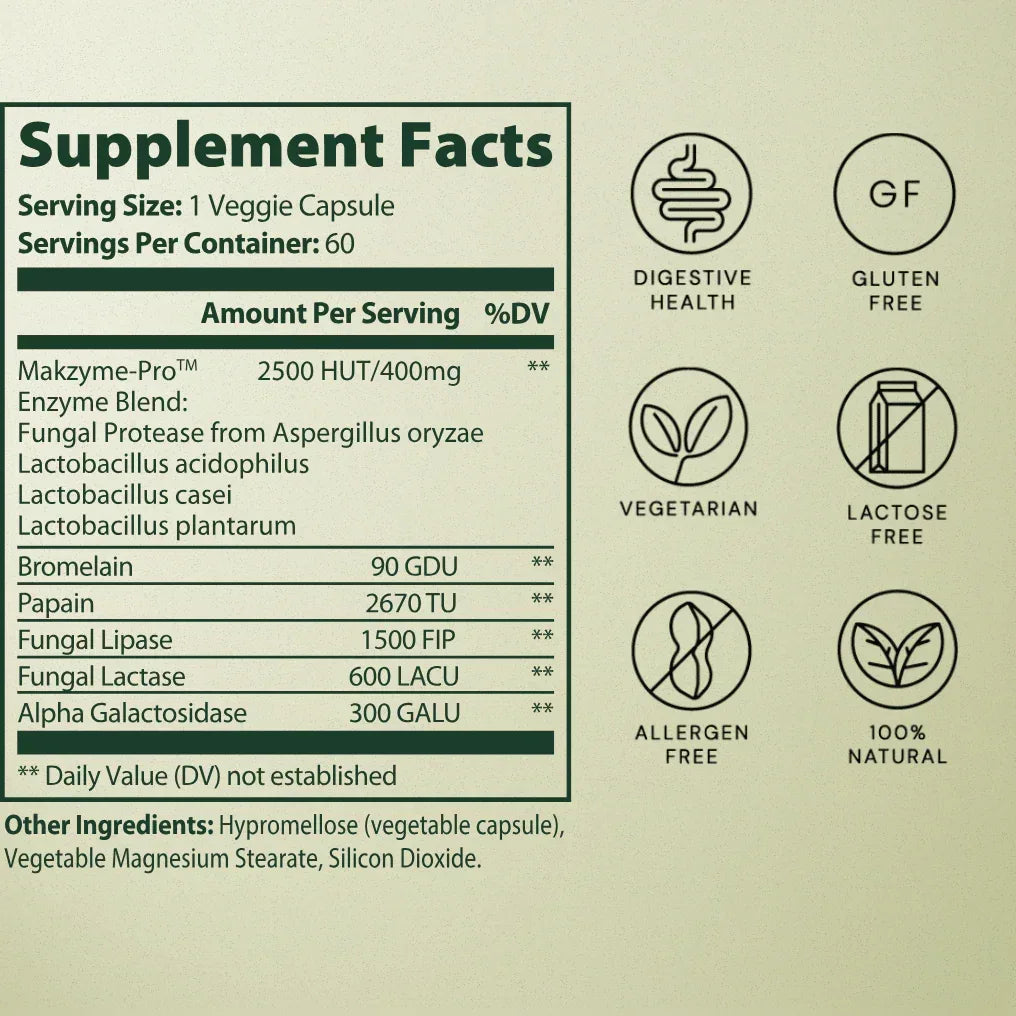
BloatEase is designed to support how food is broken down, helping reduce the chance of food sitting, fermenting, and creating pressure in the abdomen.
Instead of targeting weight or calories, it focuses on supporting the digestive process itself.